the person behind the charts
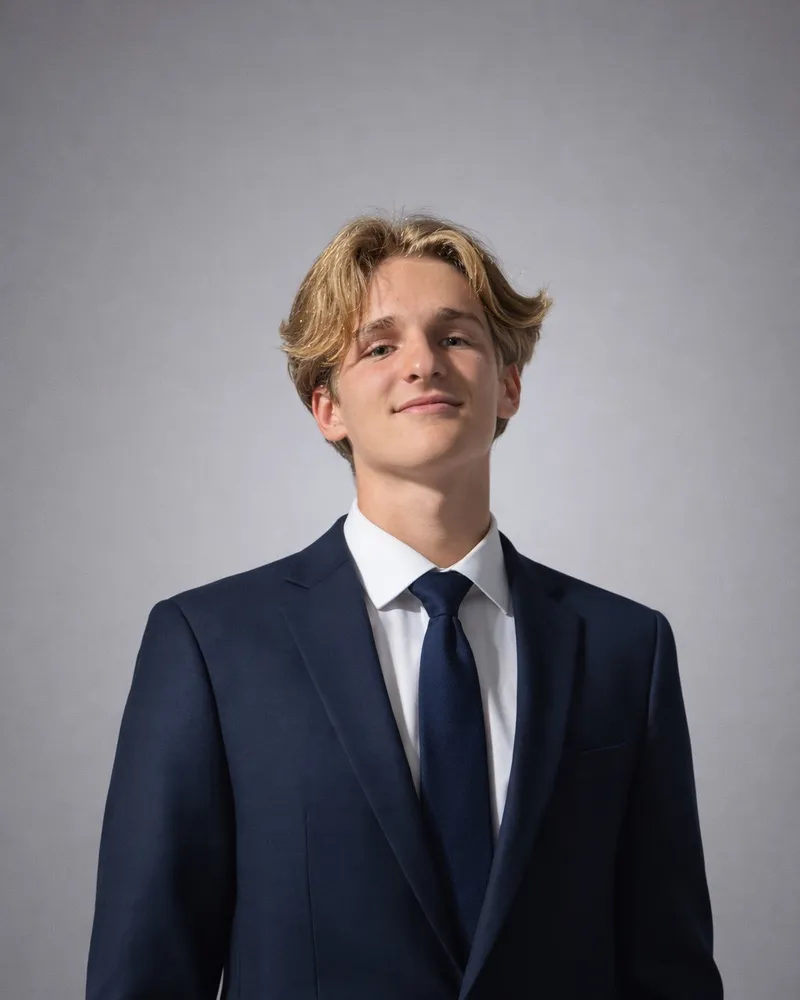
Hi, I'm Antoine. I make this on my own.
I'm an independent developer. I build Cross Stitch Pattern Generator myself — the generator, the PDF, the free charts and every guide in the stitch school. I also build Bullynx, a chart-analysis tool for traders.
The idea came from a photo of a cat and an evening lost to a pattern maker that spat out 40 shades of grey, no thread numbers and no idea how much floss to buy. The hard part of turning a photo into a pattern isn't the pixels — it's deciding what to throw away so the result is still worth the hours you'll spend stitching it.
If a chart doesn't work for you, tell me. It's one person reading that mailbox: hello@crossstitchpatterngenerator.com.
How a photo becomes a chart you can actually stitch
Colors are matched to real DMC floss
Every color in a chart is matched to a DMC thread number, not an invented palette. Screens lie about color, so the key always prints the DMC number — that's what you buy in the shop, and what you should check against a real floss card in daylight.
The chart is made to be stitched, not admired
A photo has thousands of colors; a stitchable chart has a handful. The generator reduces colors, keeps the shapes that make the subject recognisable, and drops the confetti stitches that look clever on screen and are miserable in a hoop.
Skein counts come from your actual stitch counts
The PDF counts the stitches of each color in your chart and turns that into skeins, with a margin for mistakes and frogging. No guessing in the shop, no running out of the one color you needed.
Tested with a needle
Patterns get stitched before the format changes. Symbol size, grid lines every ten stitches, page overlap on big charts: those come from following the chart by hand, not from a design mockup.
DMC is a trademark of DMC Textiles. This site is independent and not affiliated with DMC; thread numbers are used to tell you which floss to buy. Colors shown on screen are approximate — always check against a real floss card in daylight.